
Facilities
Reopening a space that has been closed for months
A building that has been shut is not the building you left, and most of what changed is invisible until something is switched on.
Walk the whole space with everything still switched off, and use your nose as much as your eyes. Water, pest activity, ceilings, floors and anything that has moved.
Restarting plant before looking is how a condition that developed quietly over months turns into an event on the first morning back.
Water first, because it is the cheapest to fix
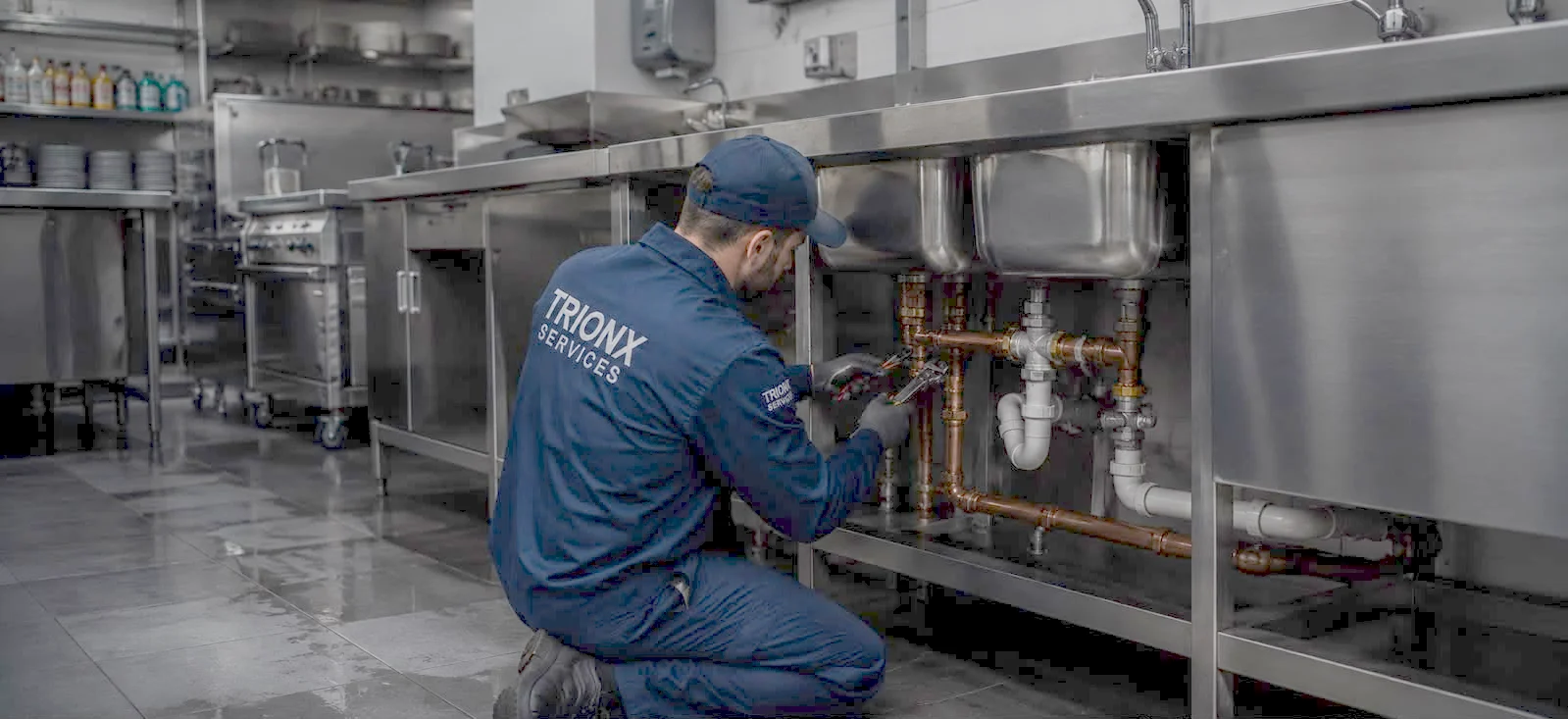
Pour several liters down every drain in the building: floor drains, mop sinks, unused restrooms, condensate drains. Drain traps lose their water seal to evaporation in weeks in this climate, and a dry trap is an open route from the drainage system into the room. Our article on a sewage smell in the building covers it, and it is the most common single complaint on a reopening.
Then run every faucet and flush every fixture for several minutes to move the standing water out of the piping. Look under every sink and at every visible joint while the water is running, because a slow leak that started while nobody was there has had months to work.
Check the water heater and its relief valve, and read the meter before and after an hour with everything off.
Humidity has been working the whole time
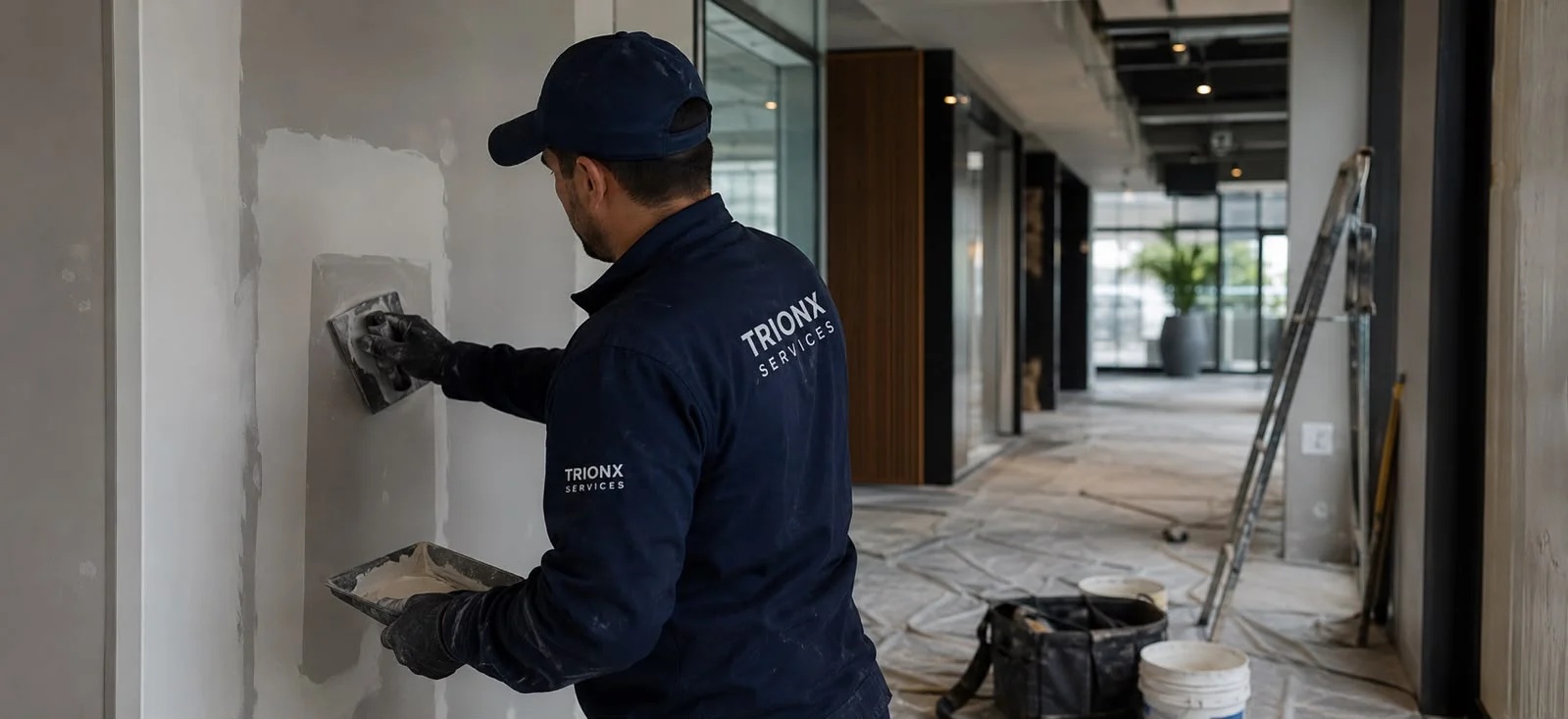
A closed building in Miami with the air conditioning off is a humidity experiment. Board, carpet, soft furnishings and ceiling tile all take up moisture, and the result is a musty smell with no leak anywhere to find.
Run the air conditioning properly for several days before reopening rather than switching it on the morning you need it, and expect it to take time to pull the building back. Our article on a musty smell with no visible water covers what to check if the smell does not clear.
Change the filters before you start rather than after. A filter that has sat damp is part of the problem.
Refrigeration, on empty first
Switch walk-ins and cabinets on and let them run empty for a day while somebody watches the temperature. Units that have stood idle lose charge, seize, or fail on restart, and discovering that with an empty box costs nothing.
Check door gaskets and closers at the same time, because rubber that has sat compressed for months frequently does not recover. Our article on a walk-in not holding temperature covers the door checks worth doing first.
The things that discharged in the dark
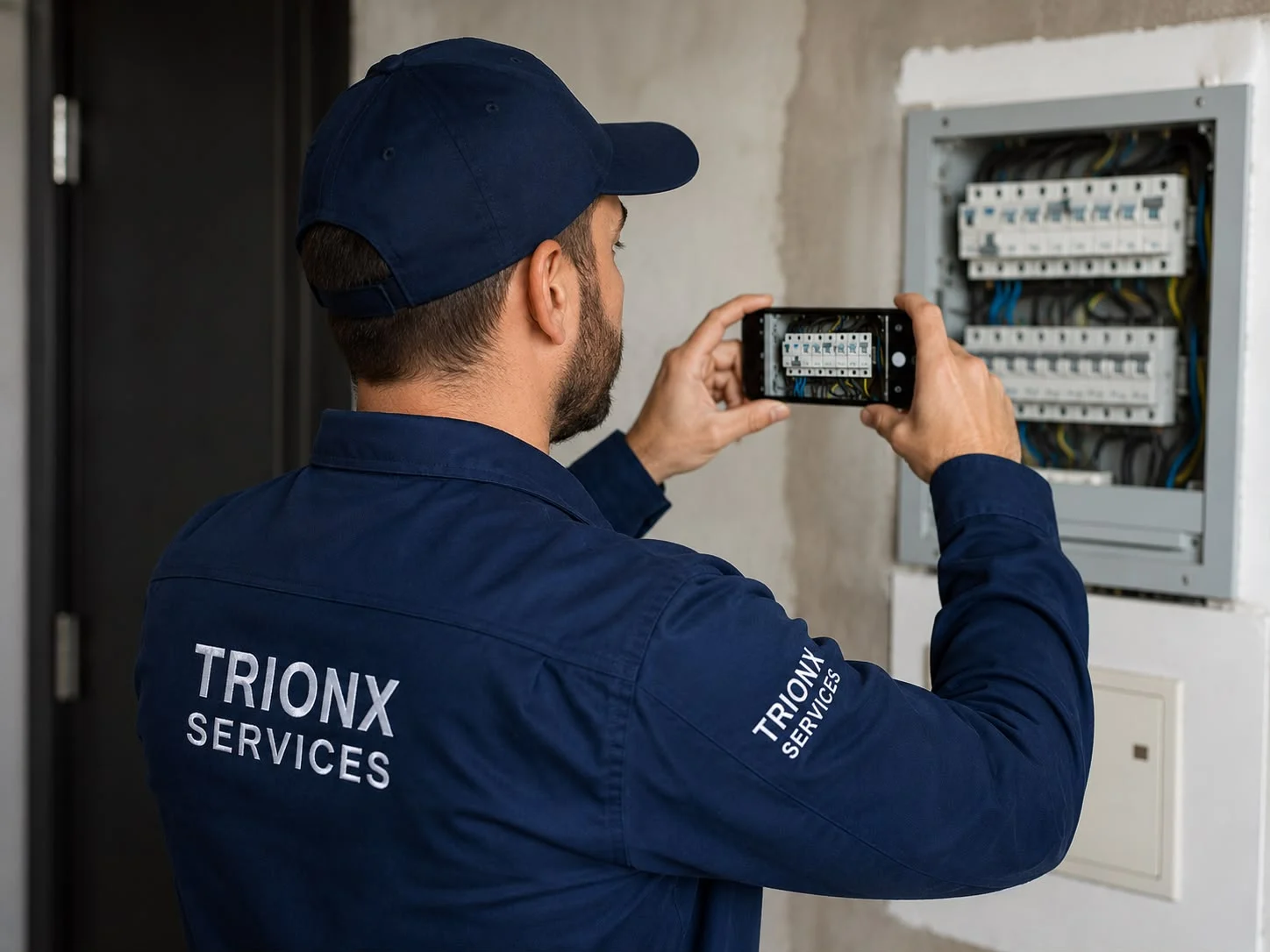
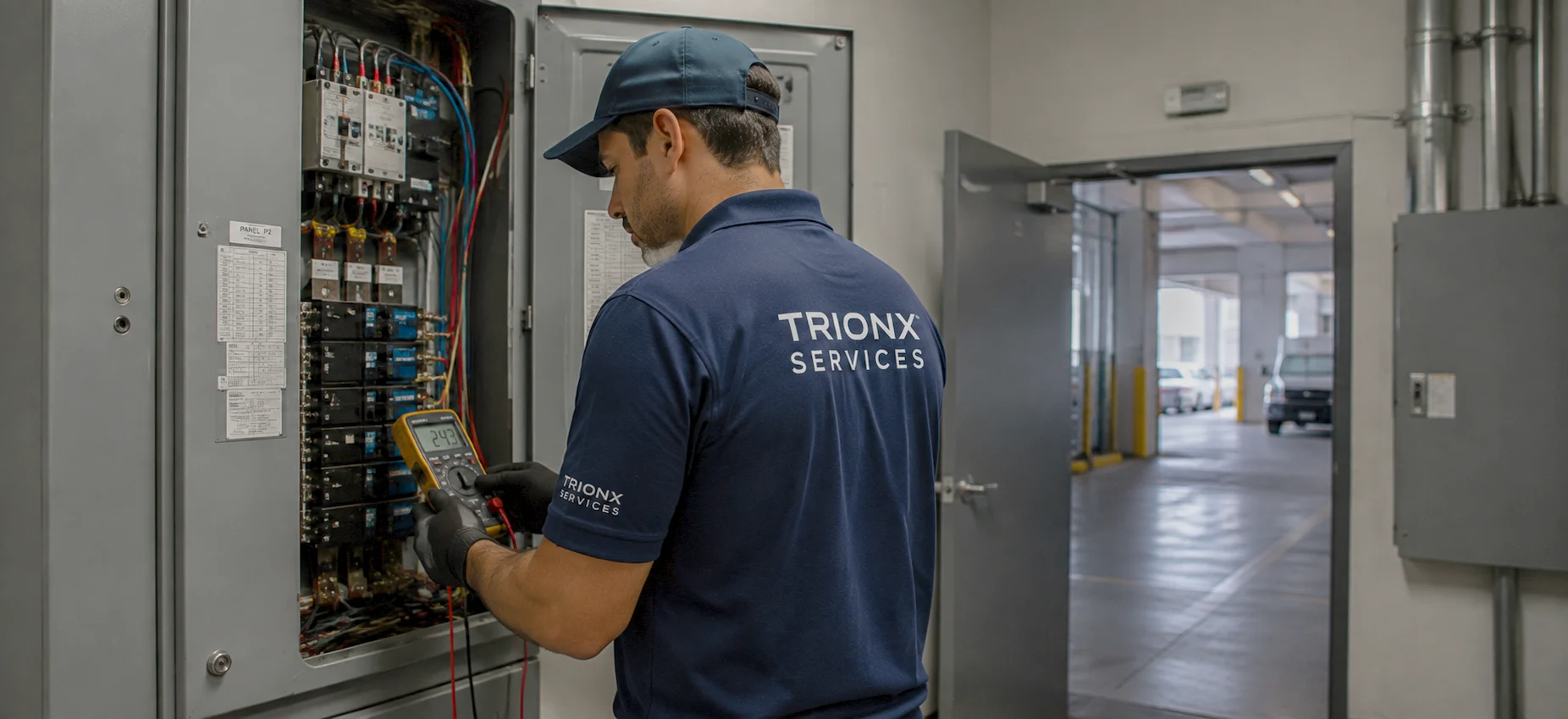
Emergency lighting and exit signs. Their batteries have been cycling the whole time and some will not hold. Press the test button on every one and write the result against a plan, because this is exactly what a reopening inspection looks at. Our article on emergency lighting that failed its test covers what to do with the failures.
Access control and alarm system batteries, keypads and readers. Anything on a backup battery has been discharging, and a reader that seems dead on the first morning is often a power problem rather than a fault.
Check what tripped while nobody was there. A circuit that went out in month two has been off ever since, and whatever it fed has been off with it.
The building fabric and what got in
An empty building is an attractive one. Walk the perimeter and kneel at every external door looking for daylight, then check penetrations, vents and the roofline. Our article on finding pest entry points covers the full sweep, and a closed period is when they get established.
Check every external door still locks and latches properly, and check the glass. Then check who actually holds keys, because a closed period is usually when a key list stops being accurate.
Who carries this out
Doors, locks and access hardware, glass, ceiling tile, drywall, painting, sealing, pest exclusion and general making good are performed directly by our own technicians. TrionX carries general liability and workers' compensation on that work.
Plumbing, electrical, HVAC and refrigeration are coordinated through licensed contractors, because Florida requires a license for those at any job size. On a reopening that is most of the plant, and it is worth booking before the date rather than on it.
Give yourself a week
The single most useful thing here is not a checklist item. Start this a week before you need the space rather than the day before, because every problem on this list is cheap when it is found early and expensive when it is found on opening morning.
Where the space is new to you as well as reopening, our article on the first week in a new building covers what else to establish while you are in there.
Common questions
Questions we get asked about this
What should I do before switching anything on?
Walk it first with everything still off. Look and smell for water, check for pest activity, and look at ceilings and floors. Switching plant on before looking is how a small problem that developed over months becomes an event on the first morning.
Why does a closed building smell?
Usually dry drain traps, which lose their water seal to evaporation in a matter of weeks here and let sewer gas straight into the room. Pour water down every drain. If it is a musty rather than a sewage smell, that is humidity and it is a different problem.
Can we just turn the walk-in back on?
Switch it on and let it run empty for a day before any product goes in, watching the temperature. A unit that has stood idle can hold pressure and then fail on restart, and finding that out with an empty box is considerably cheaper.
What gets forgotten most?
Emergency lighting batteries and anything else that quietly discharged while the building was dark. They fail silently, and a reopening inspection is exactly when somebody presses the test button for the first time in a year.
Keep reading
Related field notes
A musty smell with no visible water
Emergency lighting and exit signs failed the test
First week in a new building: what to check before you inherit it
Gyms: humidity, heavy doors and unattended hours
Hotel back of house: maintenance around a building that never closes
Medical and dental suites: maintenance around patients
One company, whoever does the work
Our technicians handle the trades that need no state license, and licensed contractors handle the ones that do. Either way we scope it, book the visit and file the record. Tell us the property and the problem and we will come back with a window. Call out of hours and someone who works here answers.