

Facilities
Hotel back of house: maintenance around a building that never closes
Guest rooms get the attention and the service corridor does the work.

A hotel has two maintenance problems that behave nothing like each other. In front of the service door everything is scheduled around guests. Behind it, the building is an industrial one and it runs at industrial rates of wear.
Most of what actually breaks is behind that door, and most of the attention goes in front of it.
The service corridor takes the punishment
Housekeeping carts are heavy, wide and driven at speed by people with a room count to hit. The doors between a service corridor and a guest floor get hit at the same height on every pass, so frames dent, closers weaken, hinges drop and latches stop meeting their strikes.
Those doors are frequently fire doors, which makes a worn closer a compliance problem rather than a nuisance. A corridor door that no longer latches on its own has failed the core test, and it is the finding inspectors record most often on any commercial property. Our article on a door that will not latch covers the diagnosis.
Frame protection on the routes carts actually use is cheaper over two years than repairing the same corner repeatedly, and it is worth raising rather than quietly refinishing it again.
Heat, damp and the rooms nobody enters
Laundry, kitchen and mechanical rooms run hot and humid, and the hardware in them corrodes faster than anywhere else in the building. Door seals harden, hinges seize, and steel frames rust from the bottom up.
Store rooms and risers are the opposite problem: nobody goes in, so nothing gets noticed. A leak in a riser or a sagging ceiling in a back store can run for months. Adding those to a walk rather than waiting for a complaint is the only thing that catches them, and our article on the quarterly walk covers a repeatable version.
Keys, which is the recurring one
Guest room locking is electronic and belongs to a specialist. Everything behind the service door is usually mechanical, and it is issued to a workforce that changes constantly.
Housekeeping, maintenance, kitchen, contractors and agency cover all need access, and each arrangement tends to be made individually by whoever was on shift. Without a register, a departure is either an unknown or an argument about rekeying a whole floor.
A written register plus a restricted keyway is what makes a departure a line in a book. On a standard keyway a returned key proves nothing, because blanks can be cut anywhere. Our article on key control after a departure covers what that record has to contain.
Working around occupancy
Back-of-house work runs in ordinary hours because guests do not see it. Anything in a guest corridor, a lobby or a public area is a different conversation, and the constraint is usually noise rather than access.
Floors come out of service a few rooms at a time rather than all at once, which suits sequenced work and does not suit anything needing a long single run. Saying which of the two a job is, before it is scoped, is what stops a visit being wasted.
Elevators are the other constraint. A hotel with one service elevator has a line for it, and work that needs equipment moved between floors is planned around that or it is not planned at all.
What to keep on a schedule
Service corridor doors and their closers, because they degrade steadily rather than failing suddenly. Seals and sweeps on anything near a kitchen or laundry, which our article on the parts that wear first covers. Fire doors throughout, with the record kept. The key register, updated on every visit that changes a key.
None of that is dramatic, and all of it costs less when scheduled than when it fails mid-service. Put it on a calendar.
Who the guests see
Anything in front of the service door is a guest-facing job whether or not it was scoped as one. A technician crossing a lobby with a ladder is part of the guest experience for the thirty seconds it takes, and hotels are more sensitive to that than almost any other property type.
Which is why it is worth knowing who is actually attending. Our technicians are employees on our payroll and background checked, rather than whoever a subcontractor had free that morning, and on a property where people sleep that is a different proposition.
Practical things worth agreeing in advance: which entrance and elevator to use, where equipment can be staged, whether work in a corridor needs signage, and who on the duty team to report to on arrival. None of it is complicated and all of it goes wrong when nobody has said it.
Who carries this out
Doors and hardware, locks and access hardware, glass, carpentry, painting, ceiling and general maintenance are performed directly by our own technicians, who are background checked and on our payroll. TrionX carries general liability and workers' compensation on that work.
Electrical, plumbing, HVAC and refrigeration are coordinated through licensed contractors, because Florida requires a license for those at any job size. Guest room electronic locking stays with whoever supplies and supports it.
Common questions
Questions we get asked about this
Do you work on guest room locks?
The electronic guest room locking is supplied and supported by a specialist and we do not represent otherwise. Everything behind the service door is different: back-of-house doors, plant and store rooms, risers, roof access and the mechanical hardware throughout.
When can work actually happen?
It depends which side of the service door it is on. Back-of-house work runs in ordinary hours, and anything in a guest corridor or a public area is planned around occupancy and noise policy. Getting that agreed before scoping saves a return visit.
What wears out fastest in a hotel?
Service corridor doors and their hardware, by a wide margin. Housekeeping carts pass through them hundreds of times a day and they take the impacts. After that, door closers on fire doors in the corridors and seals on anything near a kitchen or laundry.
How do you handle key control with high staff turnover?
A written register and a restricted keyway. Hotels turn over housekeeping, maintenance, kitchen and agency staff constantly, and without a register a departure becomes either an unknown or an argument for rekeying a floor.
Keep reading
Related field notes
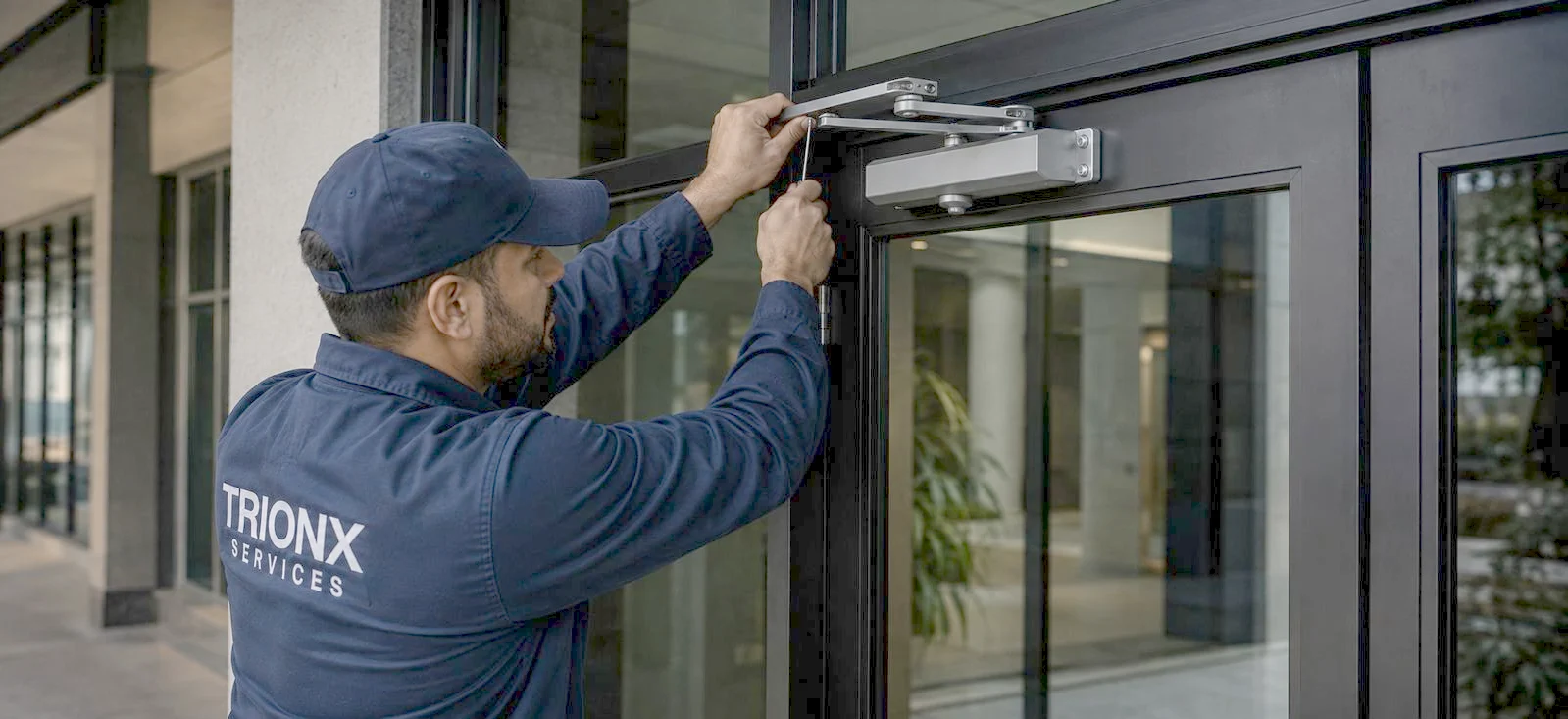
A commercial door that will not close or latch
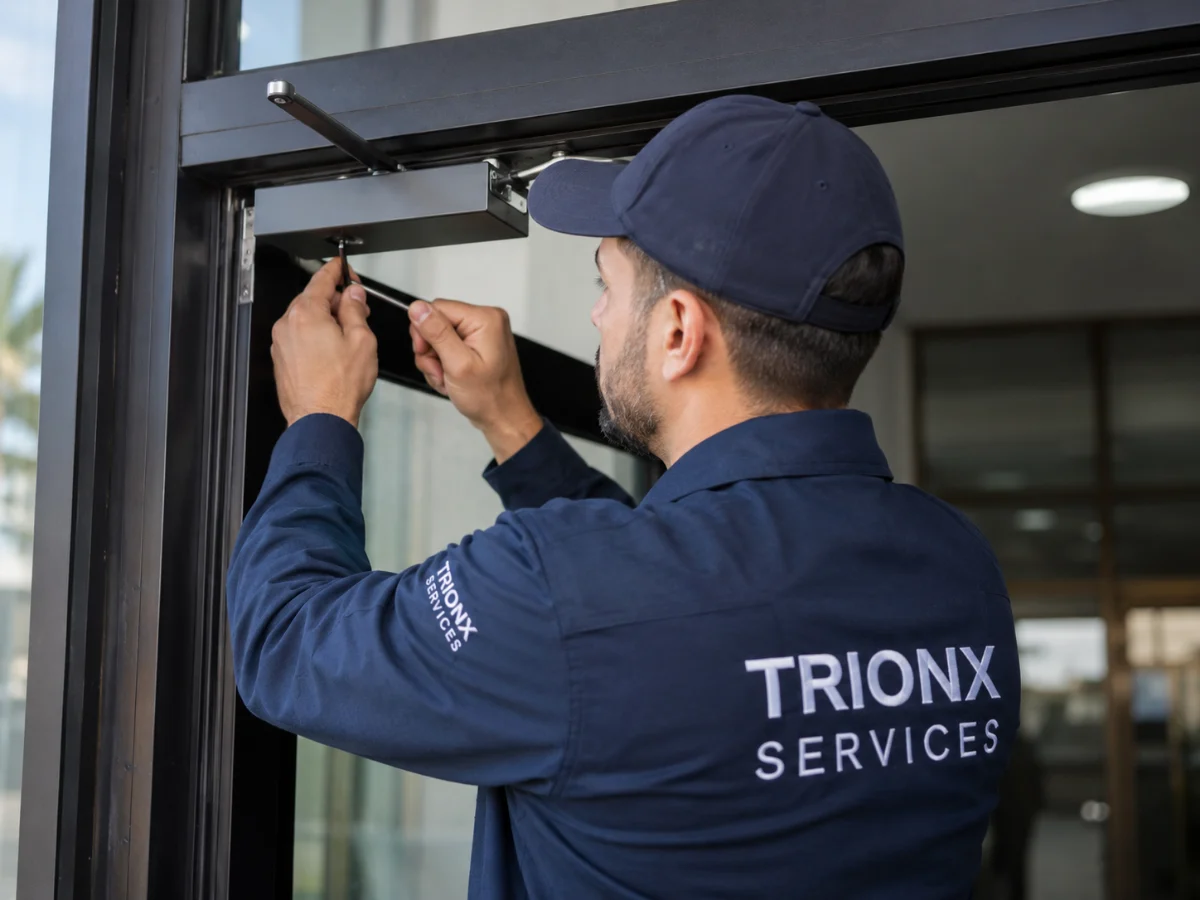
Thresholds, sweeps and weatherstripping: the parts that wear first
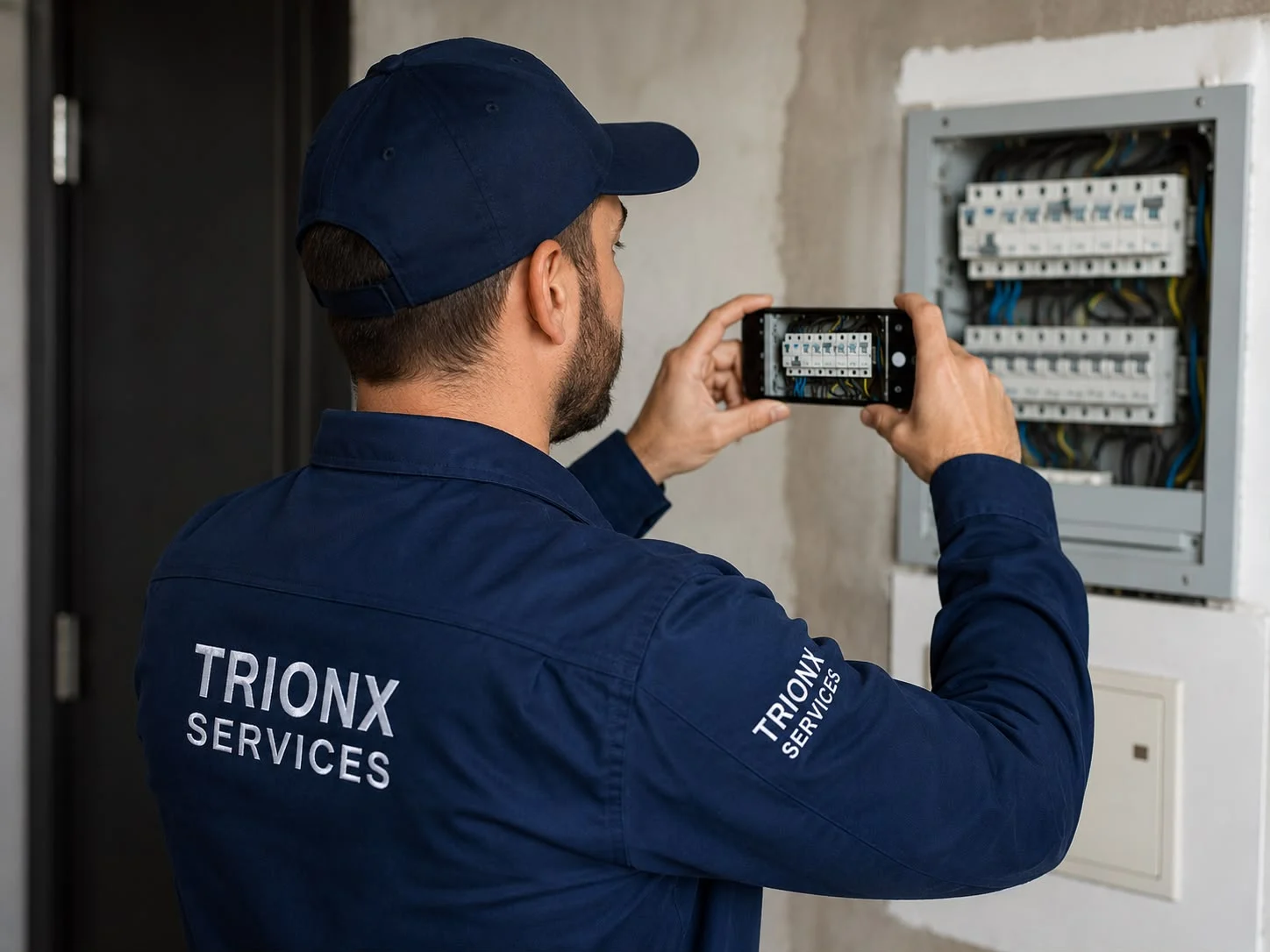
The quarterly walk: what to check on a commercial property

Condo common elements: association or unit owner

A vendor's insurance certificate has expired
Two quotes for the same job, and they do not match
One company, whoever does the work
Our technicians handle the trades that need no state license, and licensed contractors handle the ones that do. Either way we scope it, book the visit and file the record. Tell us the property and the problem and we will come back with a window. Call out of hours and someone who works here answers.