

Facilities
Changing maintenance vendors: what to get back
The expensive part of changing vendors is not the work, it is everything the outgoing one knows about your building.
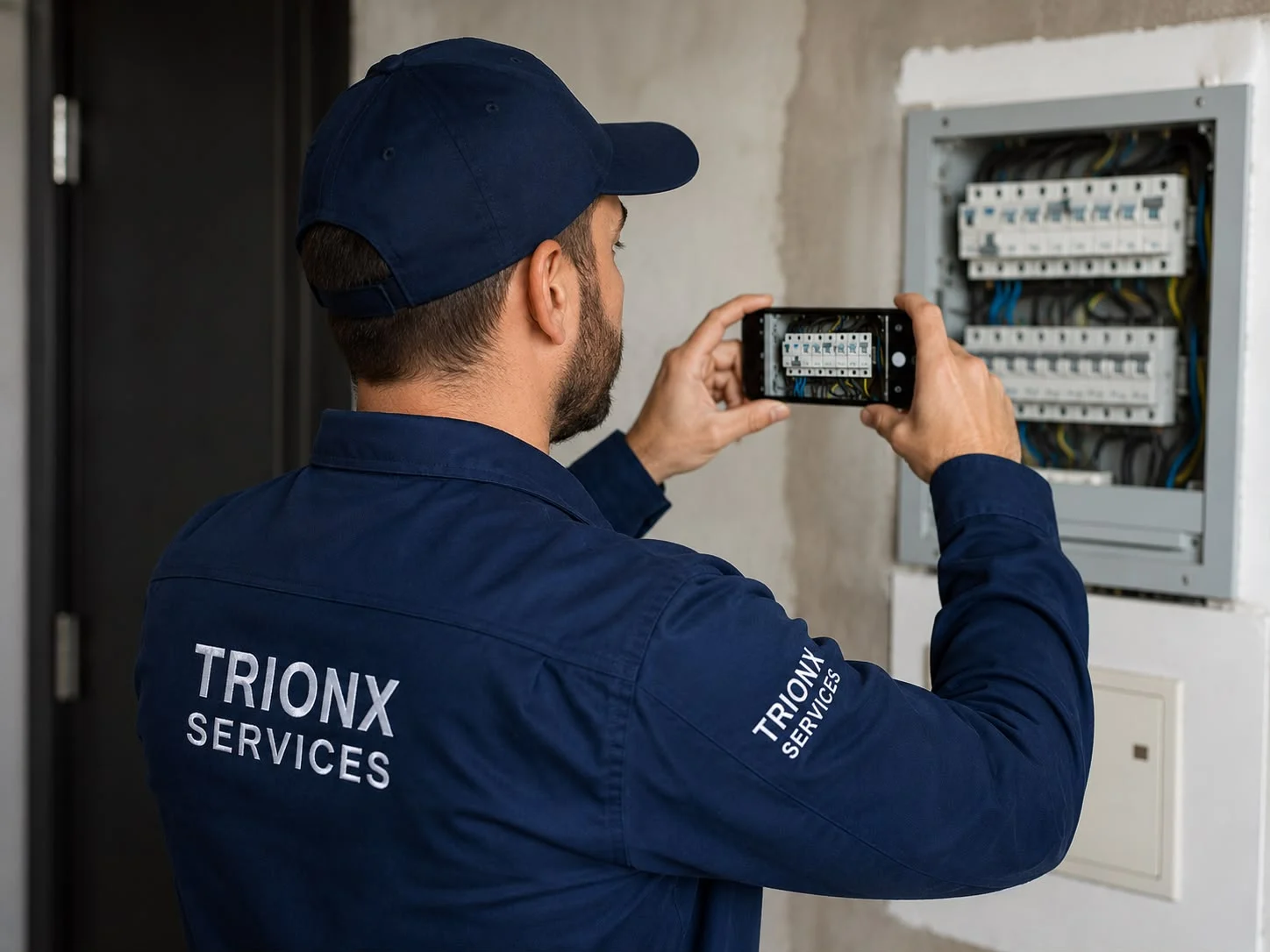
Write the handover list before giving notice, not after. Once a vendor knows they are leaving, the willingness to dig out two years of paperwork drops sharply, and none of it is worth arguing about later.
The work itself transfers easily. Everything the outgoing vendor learned about the building has to be handed over deliberately.
Keys and access, first and properly
Ask how many keys were issued and to what, rather than how many are being returned. Those are different numbers and the gap is the whole problem. A vendor holding keys for a year has issued them to technicians who have since left and possibly to subcontractors you never met.
Rekey the affected locks. Collecting keys back is a gesture and rekeying is a control, and on a building of any size the cost is modest against not knowing who can enter. Our articles on rekeying against replacing and key control cover how to scope it and what register to keep afterward.
Revoke every access credential issued to them at the controller, working from the issue list rather than from what comes back. Change any shared alarm or gate code, which will be known to more people than the list suggests.
Time it so the outgoing vendor has finished and the incoming one has not yet been issued anything. A window where both sets work is the thing to avoid.
The records that belong to the building
Anything with a date attached, because those are the ones with consequences.
Fire door and life safety inspection records. Emergency lighting monthly and annual test logs. Grease trap service manifests. Walk-in temperature logs. Backflow and any other testing your building carries. Permits and closeout documents for completed work. Warranty paperwork, particularly on anything installed in the last few years.
Then the operational knowledge: the asset list with makes, models and serial numbers, the service history against each, the keying schedule if there is a master key system, and the site access arrangements including gate codes and which door is actually used at night.
Ask for it as a list with a date on your side too, so it does not drift.
The calendar is what gets dropped
The most common failure in a vendor change is nobody owning the schedule for six weeks. The outgoing vendor stops tracking, the incoming one has not been told, and an inspection or a service interval passes unnoticed.
Take the dated items off the handover list and put them straight into your own calendar, with a named person, before the transition starts. Our article on building a maintenance schedule that survives contact with reality covers what that should contain in this climate.
This is also the moment to notice anything that has quietly stopped happening. Handovers surface intervals nobody has run for a year.
Overlap rather than a hard stop
Where the agreement allows it, a short overlap is worth more than a clean break. It lets the incoming vendor walk the building with the outgoing one still reachable, and it means open work orders have somewhere to land.
Where a clean break is unavoidable, close out what you can first and hand over a written list of what is genuinely open rather than assuming the new vendor will find it.
Give the new vendor a baseline
The first weeks are when a new vendor either learns the building or starts guessing about it.
Walk it with them. Hand over the asset list and the records. Photograph the condition systematically at the start, which protects both sides later when something is found and nobody can say when it began. Our article on the first week in a new building is written for taking one on, and the same walk works here.
Agree how work is requested and who can authorize it, in writing, on day one. A large share of vendors who apparently stop responding are receiving requests nobody is monitoring, and that starts at handover.
Who carries this out
Rekeying, master key work, access control changes, door and hardware repair, glass, carpentry, painting and general maintenance are performed directly by our own technicians. A vendor change usually needs several of those in the same two weeks, which is exactly the case where booking separate trades costs the most time.
Electrical, plumbing, HVAC, refrigeration and roofing are carried out by licensed, insured contractors, coordinated and documented by us, because Florida requires a license for those at any job size.
Common questions
Questions we get asked about this
Is collecting the keys back enough?
No. Returned keys say nothing about copies, and a vendor holding keys for a year has issued them to technicians, subcontractors and possibly a dispatcher. Rekeying the affected locks is the only measure that actually ends the old access.
What records should I ask for?
Anything with a date on it. Fire door and life safety inspection records, emergency lighting test logs, grease trap manifests, temperature logs, permits and closeout paperwork, warranty documents, and the asset list with model and serial numbers.
When should the rekey happen?
After the outgoing vendor has finished and before the incoming one is issued anything, so there is no window where both sets work. Doing it at the same visit that issues the new keys keeps the register clean from the start.
What gets missed most often?
Dated statutory and scheduled items. Nobody owns the calendar during a handover, so an inspection due in six weeks quietly passes because the outgoing vendor stopped tracking it and the incoming one never knew.
Keep reading
Related field notes

Key control after an employee termination
Rekey or replace: what to do with commercial locks after a tenant leaves

Building a preventive maintenance schedule that survives contact with reality

A vacant unit: what to check while it sits empty
Taking over a restaurant space: what to check before signing
Annual agreement or call by call
One company, whoever does the work
Our technicians handle the trades that need no state license, and licensed contractors handle the ones that do. Either way we scope it, book the visit and file the record. Tell us the property and the problem and we will come back with a window. Call out of hours and someone who works here answers.