
Facilities
Our maintenance vendor has stopped showing up
Before deciding a vendor has stopped caring, find out whether the work orders are actually reaching a person.
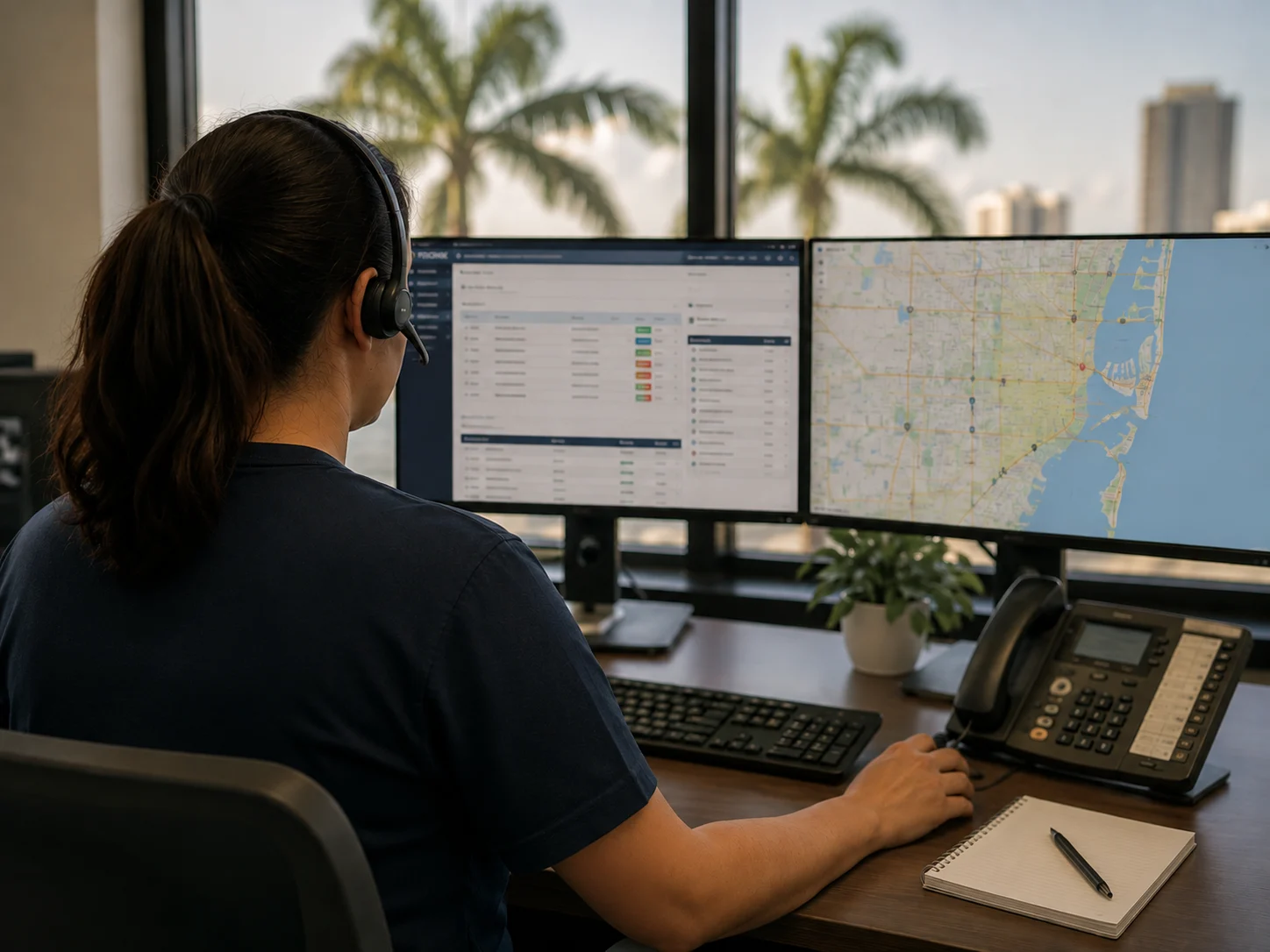
Check the plumbing of the relationship before the relationship itself. A large share of vendors who have apparently stopped responding are receiving requests into a shared inbox nobody owns, a portal that stopped emailing, or an address belonging to somebody who left.
Send one request by a different route and see what happens. A vendor who answers the phone within the hour and has not replied to eleven emails has a routing problem, and that is fixable in an afternoon.
Sort the open items by consequence
Before anything else, go through what is outstanding and pull out anything that is a safety or security matter rather than a maintenance one.
Exit doors that do not release, a door that does not lock on a perimeter, exposed electrical, water reaching equipment, a walk-in that is drifting. Those do not sit in line while a commercial conversation plays out. Get them done, by whoever can do them, and keep the invoice.
Everything else can wait long enough for a proper answer, and separating the two lists stops one urgent item forcing a decision about the whole relationship.
Put it in writing, once
One email, listing every open item with the date it was raised, asking for a date against each. Not a complaint, just the list.
That document does more work than anything else available to you. It gets a response from a vendor who was simply overloaded, it establishes the position with one who was not, and it becomes the handover list if you end up moving. Write it once and keep it updated rather than starting again each time somebody asks.
Read what you signed at the same time. Agreements differ on notice, on exclusivity and on what happens to unattended work, and knowing your own position before the next conversation is worth an hour.
What is usually behind it
Worth understanding, because it tells you whether this is recoverable.
A vendor who has grown past their dispatch capacity, where the work is still being done but the coordination has fallen over. This is common and often fixable, and it shows up as good work arriving late and unpredictably.
A subcontracted model where your account depends on somebody else's availability. The vendor is a coordinator and the trades belong to other companies, so a busy season for those companies is a quiet season for you. This is structural rather than an oversight.
An account that has become unprofitable for them, usually after a price agreed in different conditions. Nobody says this out loud and it presents as slow responses on small jobs and quick ones on large.
Staff turnover, where the person who knew your building has gone and nobody inherited it.
Protect the things that are hard to recover
Do this now rather than at the end, because these get harder as the relationship cools.
Establish how many keys they hold and to what. Establish which access credentials are issued to them. Get copies of service records, particularly anything with a date attached: fire door inspections, emergency lighting logs, grease trap manifests, temperature logs. Get warranty and closeout paperwork for work already done.
Those records belong to the building rather than the vendor, and reconstructing them later is expensive. Our article on changing maintenance vendors covers the full handover list.
Deciding whether to move
One bad month is a conversation. A pattern across a quarter, particularly on safety items, is a decision.
Worth asking what changed rather than only what is wrong. A vendor who was reliable for two years and is not now has had something happen, and if the answer is capacity or staffing it may recover. If the answer is that your work is coordinated rather than performed, it will not, because that is how the business is built.
Our article on questions worth asking a vendor is written for hiring, and the first question on it is the one that matters here too: who is actually going to do the work.
How we are set up
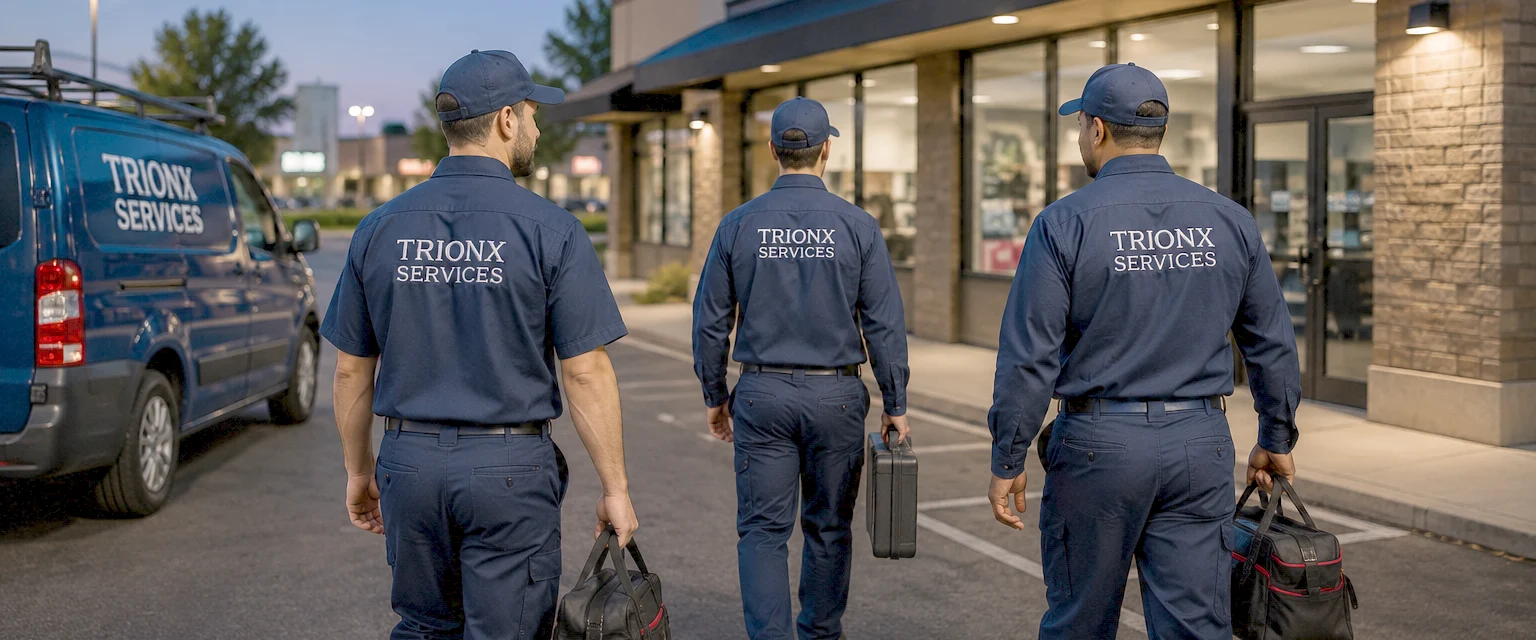
Locks, doors and hardware, glass, carpentry, painting and general maintenance are performed by our own employees rather than passed to another company, which is the difference that decides whether a Tuesday afternoon request gets attended on Tuesday afternoon.
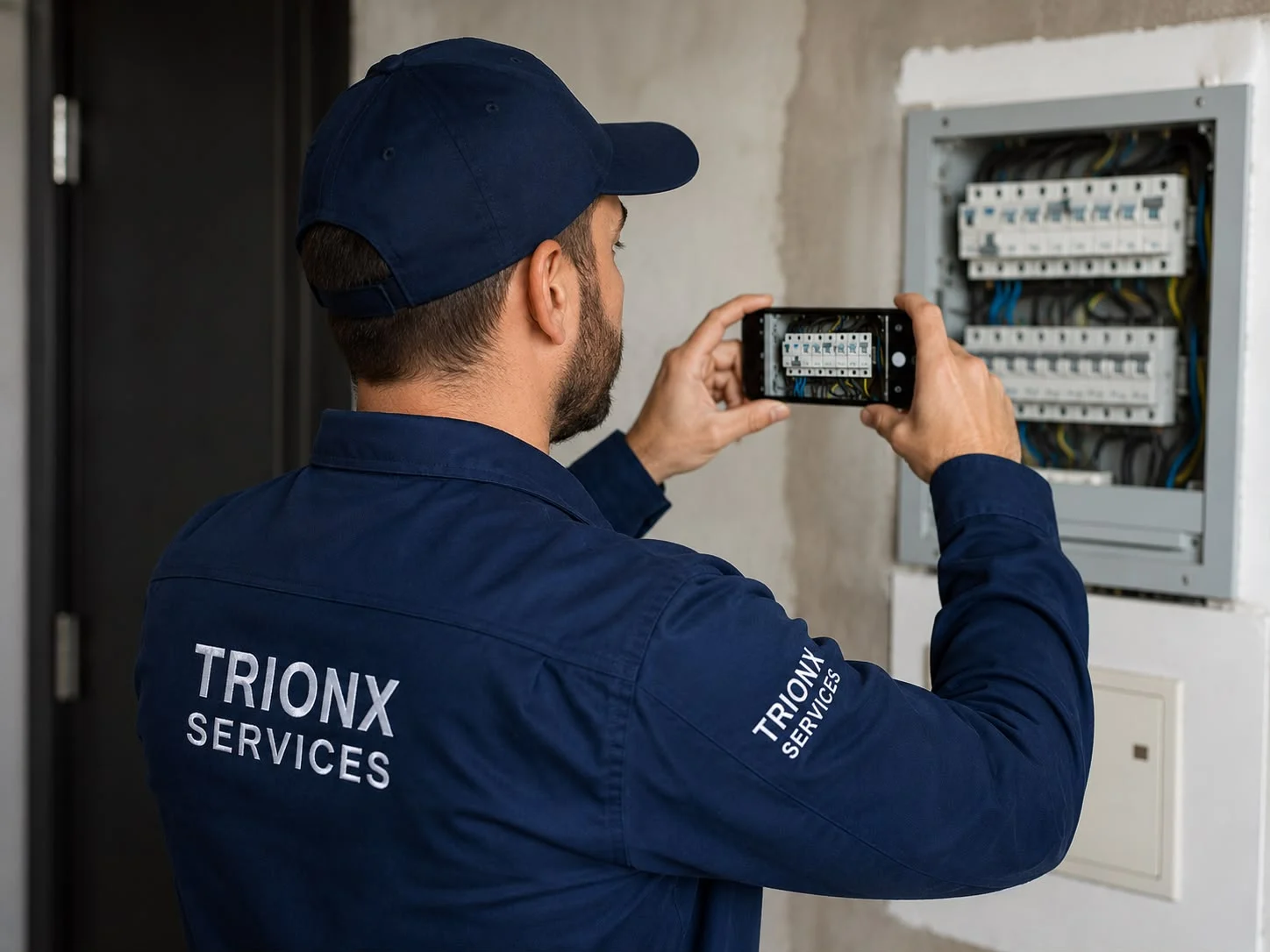
Electrical, plumbing, HVAC, refrigeration and roofing are coordinated through licensed contractors, because Florida requires a license for those at any job size. Every job comes back with photo documentation and a written record, so the position on your building does not live in one person's memory.
Common questions
Questions we get asked about this
How do I tell a process failure from a vendor that has given up?
Send one request through a different route: phone rather than portal, or a named person rather than a shared inbox. A vendor that responds immediately by phone and never by email has a routing problem. One that does not respond either way has a different problem.
Should I keep raising work orders with them?
Keep raising them and keep the record, because that record is what any conversation about performance runs on. Do not let a safety item sit in line waiting to prove a point, though. Get those done by somebody.
What should I get in writing?
A list of every open item with its date, and a request for a date against each one. Ask for it in an email rather than on a call. Whatever happens next, that single document is the most useful thing you will have.
Can we use another vendor while still under agreement?
Read what you signed, because agreements vary on exclusivity and on what happens with unattended work. Emergencies are usually treated differently from planned work. Where the position is unclear, ask them directly and keep the answer.
Keep reading
Related field notes
Changing maintenance vendors: what to get back

What a proper work-order closeout should contain

How after-hours and emergency rates are structured

Hotel back of house: maintenance around a building that never closes

Medical and dental suites: maintenance around patients
Reopening a space that has been closed for months
One company, whoever does the work
Our technicians handle the trades that need no state license, and licensed contractors handle the ones that do. Either way we scope it, book the visit and file the record. Tell us the property and the problem and we will come back with a window. Call out of hours and someone who works here answers.