
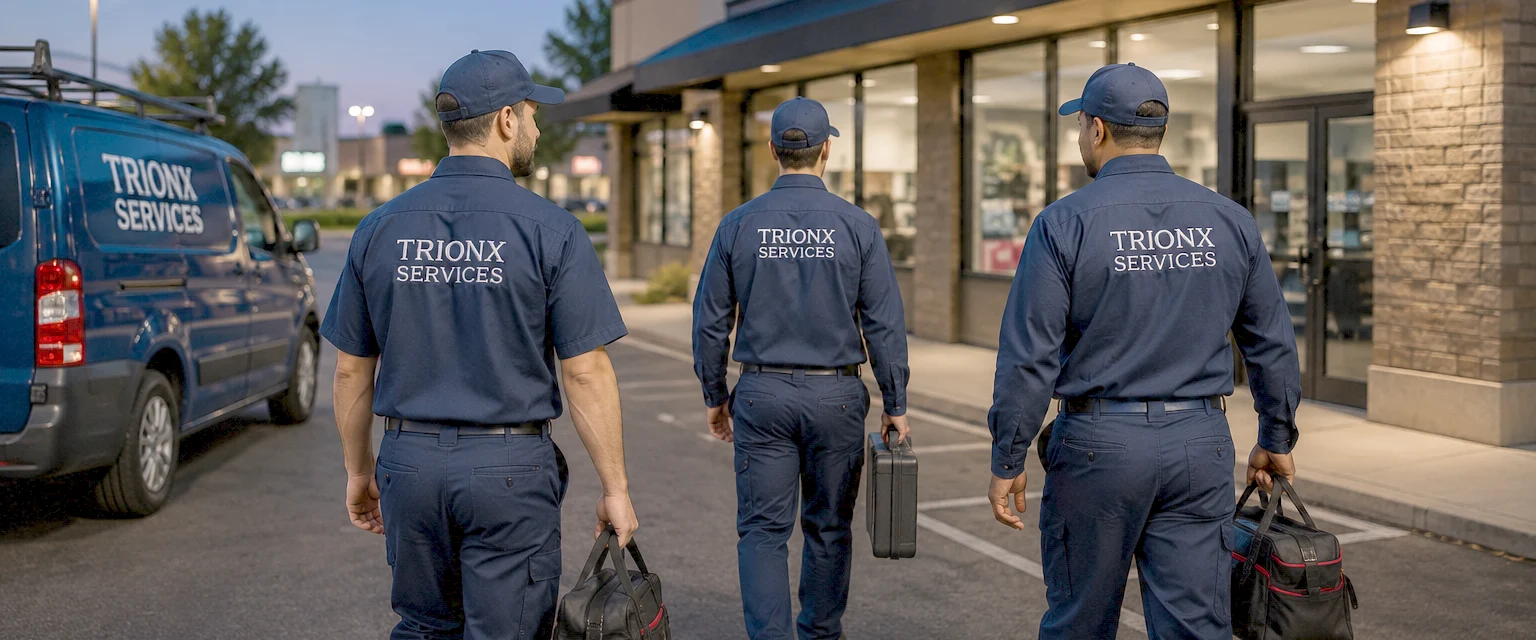
Facilities
Annual agreement or call by call
Plenty of properties are better off calling when something breaks, and a vendor who tells you otherwise is selling.
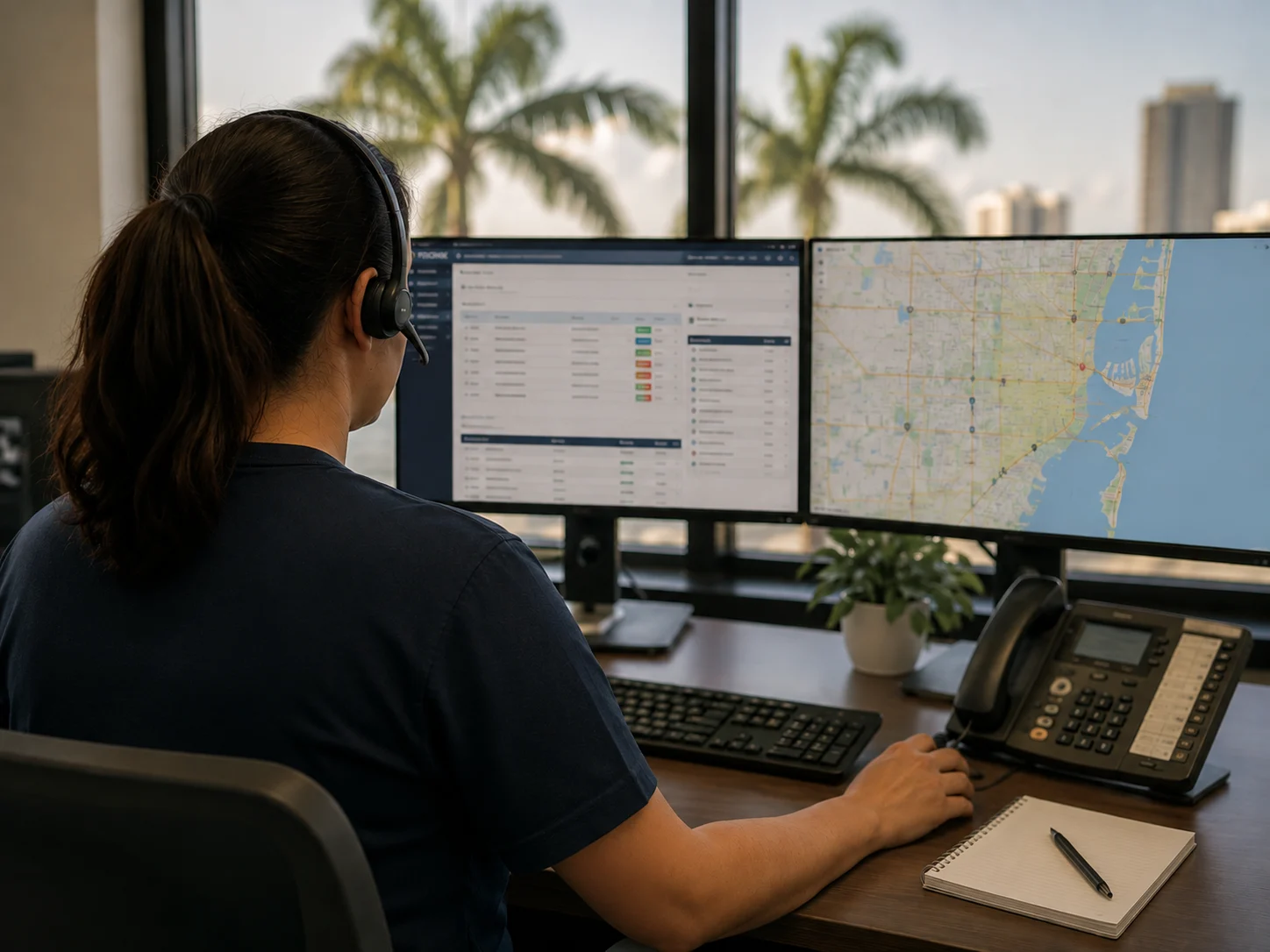
Start from what breaks and what has a date on it. Those two things decide this, and the size of the building matters much less than either.
A single small site with a short asset list and nobody chasing compliance dates is usually better off calling when something goes wrong.
When call by call is the right answer
One site, a handful of doors, no walk-in, no grease trap, no fire doors carrying an annual inspection, and an owner or manager who is on site and notices things.
In that situation an agreement mostly buys administration. You pay for a schedule of visits to a property that does not generate enough work to fill them, and the reporting exists to justify the visits rather than to tell you anything. Paying for what you actually use is the better arrangement and we would rather say so than sell around it.
Also worth staying call by call while you are still working out whether a vendor is any good. Our article on questions worth asking a vendor covers what to watch in the first months, and it is easier to watch without a twelve month commitment attached.
What actually changes the answer
Dated obligations. Once a property carries fire door inspections, emergency lighting tests, grease trap service intervals, temperature logs or anything else with a calendar attached, somebody has to own those dates.
That failure mode is the one worth paying to avoid: nothing breaks, nobody notices, and a year later an inspector asks for a record that does not exist. Our article on building a maintenance schedule covers what the calendar should contain in this climate.
Multiple sites, where the administration of finding, vetting and paying vendors starts to cost more than the work. Out-of-hours exposure, where a building that trades in the evening needs somebody who already knows the site. And a property where deferred small repairs have a habit of becoming large ones.
What a fair agreement contains
A scope that names what is covered and, more usefully, what is not. Most disputes start with a job somebody assumed was included.
A clear split between scheduled work and reactive work, and how each is charged. Out-of-hours treated explicitly rather than left to be discovered, which our article on how after-hours rates are structured covers.
The compliance calendar written into the agreement with dates against it, rather than mentioned in a sales conversation.
A record you keep: what was done, when, by whom, with photographs. That record is yours and it should survive the relationship ending.
Exit terms you can live with, and a clear position on what you get back at the end. Our article on changing maintenance vendors covers what that handover has to include.
What to push back on
Automatic renewal with a long notice period, particularly where the notice window is short and easy to miss.
Bundled hours that expire. If unused hours vanish at the year end, the agreement is a minimum spend described as a benefit.
Anything that restricts who you may call in an emergency. No agreement should leave you unable to act at two in the morning.
Vague response commitments. A number with no qualification about the fault, the hour or building access is not a commitment, and it is worth asking what happens when it is missed.
Whatever you sign, put a date in your own calendar two months before the notice window opens rather than on the renewal date itself. Auto-renew clauses are missed because the deadline that matters is the notice one, not the anniversary, and by the time a renewal notice arrives the decision has usually been made for you.
Review what actually happened against what was scoped once a year, at the same time. Agreements drift: work gets added informally, scheduled items quietly stop, and neither shows up until somebody compares the two documents.
The middle option people forget
A scheduled compliance calendar and a walk, with everything else charged as it happens. You get the dated obligations owned by somebody and a vendor who knows the building, without buying a volume of reactive work you may not need.
For a lot of single-site commercial property that is the arrangement that actually fits, and it is worth asking for specifically because it is rarely the first thing offered.
How we work
Both, and we will say which we think suits a property after seeing it rather than before. Locks, doors and hardware, glass, carpentry, painting and general maintenance are performed by our own employees rather than passed on. Electrical, plumbing, HVAC, refrigeration and roofing go through licensed contractors, because Florida requires a license for those at any job size.
Every job comes back with photo documentation and a written record, on an agreement or not.
Common questions
Questions we get asked about this
When is call by call genuinely better?
A single small site, a short list of assets, no dated compliance obligations, and somebody on site who notices things. In that situation an agreement adds administration and not much else, and paying for what you use is the honest answer.
What actually justifies an agreement?
A compliance calendar. Once a property carries dated obligations, fire doors, emergency lighting, grease traps, testing records, somebody has to own those dates. Those dates quietly lapse when nobody owns them, and an agreement exists to prevent that.
What should I avoid in an agreement?
Long auto-renew with a long notice period, bundled hours that expire, and anything that restricts who you can call in an emergency. Also anything that does not say clearly what is included and what is chargeable, since that is where most disputes start.
Does an agreement get me a faster response?
It should get you a known one. We do not publish response times and would be wary of anybody who does without qualifying them, because the honest answer depends on the fault, the hour and the access. An agreement can genuinely fix who is accountable.
Keep reading
Related field notes
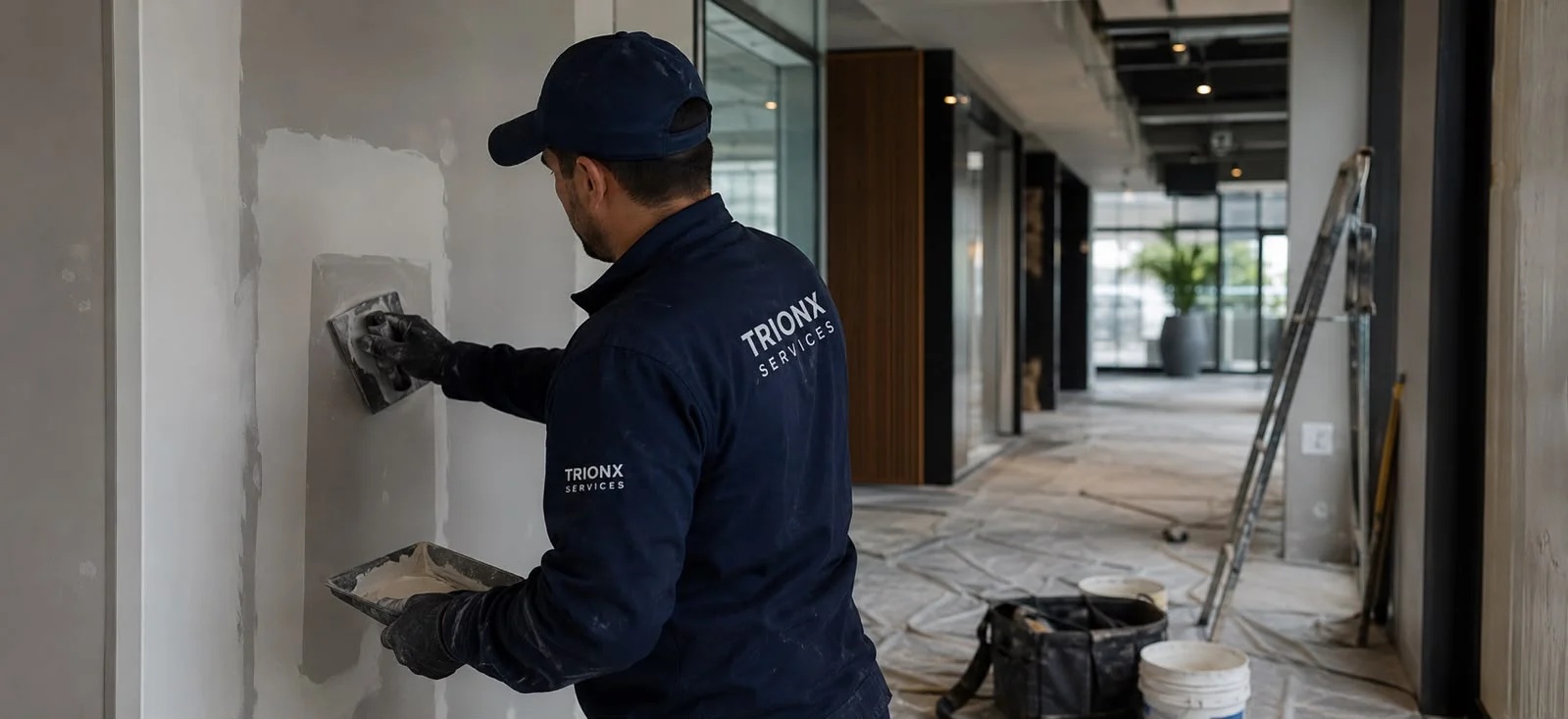
Building a preventive maintenance schedule that survives contact with reality

How after-hours and emergency rates are structured
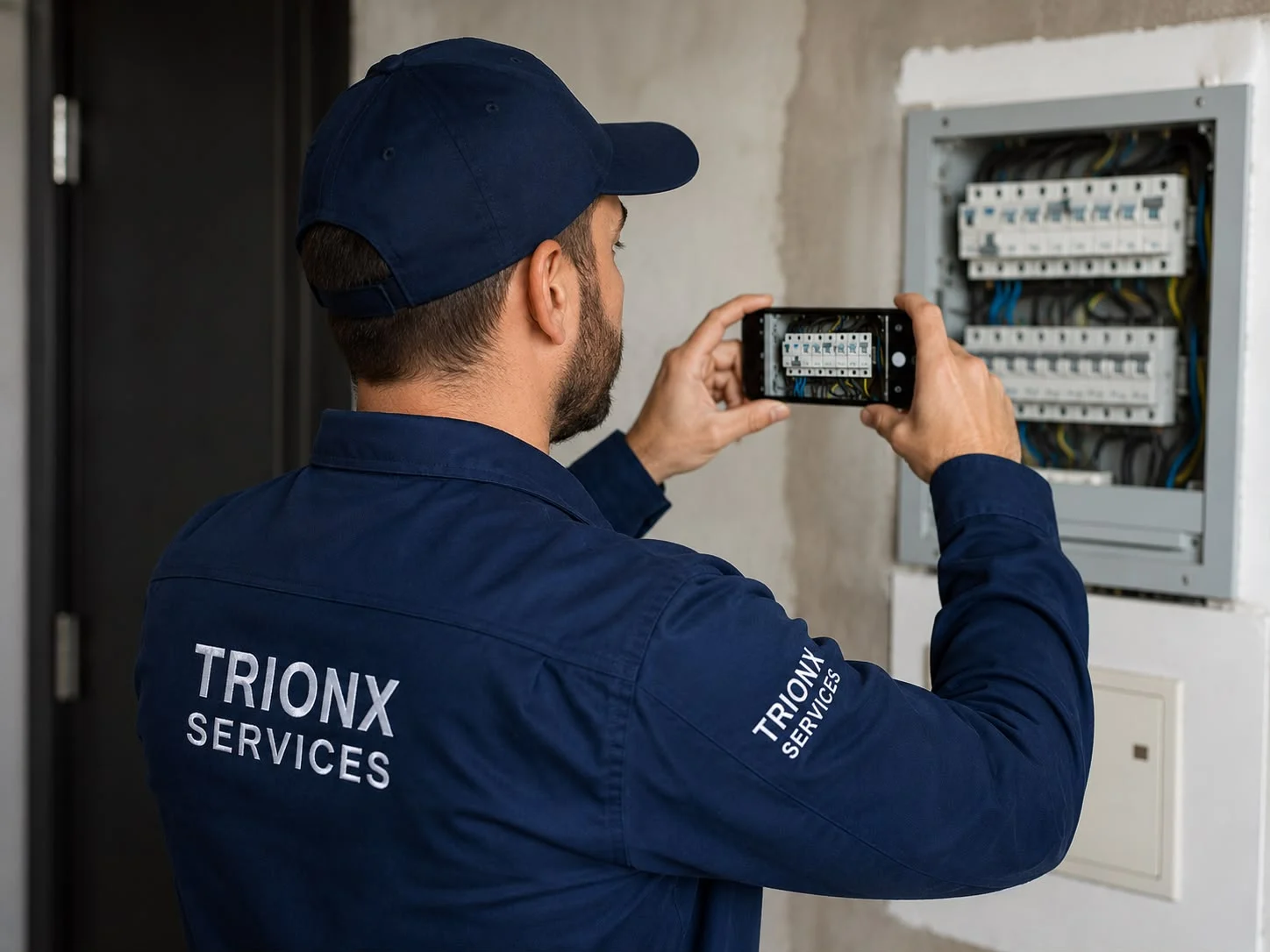
Changing maintenance vendors: what to get back
What to have ready when you call for emergency service
A code violation on a commercial property: closing it out

Condo common elements: association or unit owner
One company, whoever does the work
Our technicians handle the trades that need no state license, and licensed contractors handle the ones that do. Either way we scope it, book the visit and file the record. Tell us the property and the problem and we will come back with a window. Call out of hours and someone who works here answers.