

Facilities
Building a preventive maintenance schedule that survives contact with reality
Almost every property has a maintenance schedule somewhere. The useful question is whether anyone has looked at it since the year it was written.
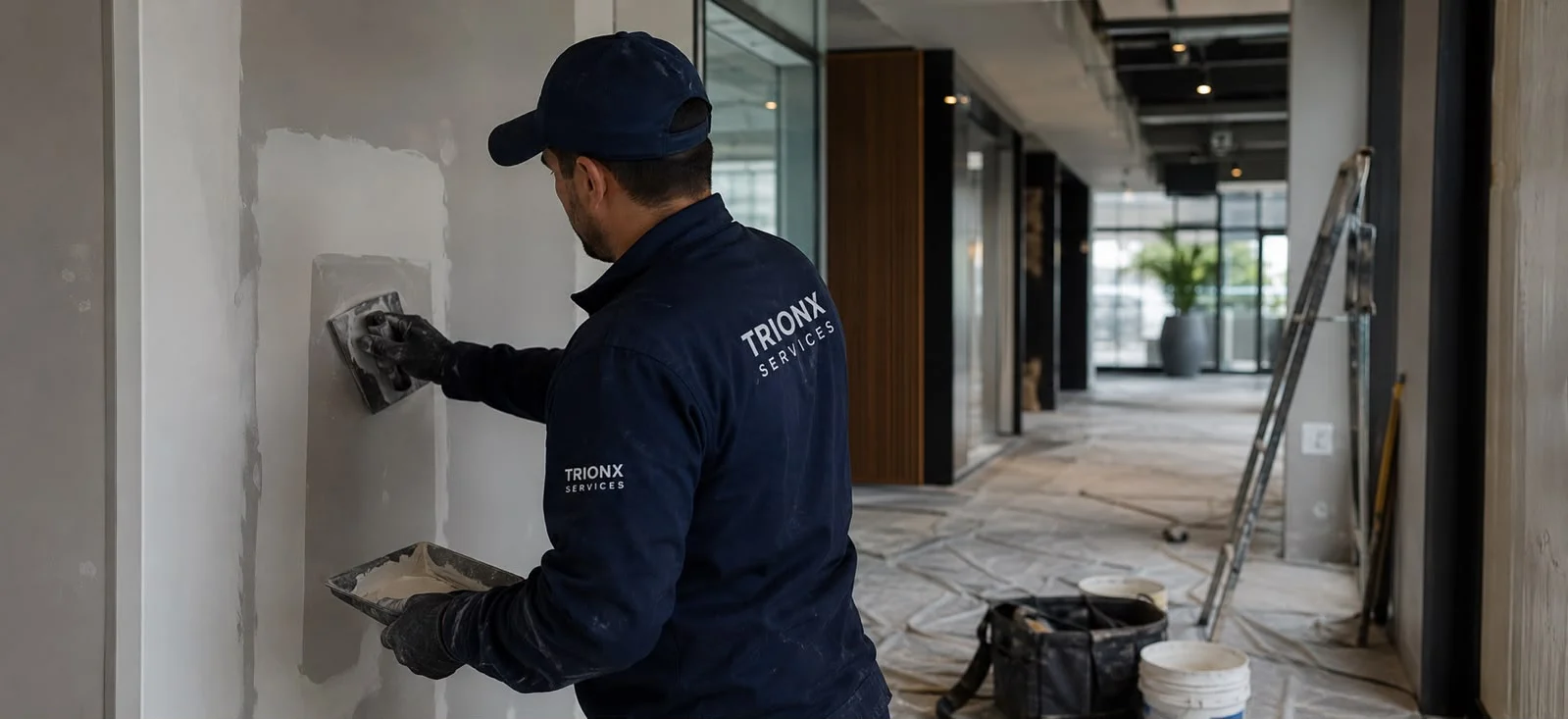
Preventive maintenance is the least controversial idea in facility management and one of the most poorly executed. Nobody argues against it. Plenty of properties have a schedule filed away. A schedule someone actually works to is far rarer, because most were copied from a template, cover equipment the building no longer has, and ask for tasks nobody was ever assigned.
A schedule that survives is built from the property rather than from a document, and it is short enough to be finished.
Start from what has actually failed
Before writing anything, pull the last two years of invoices and sort them by what broke. The list will be shorter and more repetitive than expected, and it will not match a generic template. Most commercial properties find that a handful of items generate the majority of reactive spend, usually some combination of rooftop units, refrigeration, drainage, lighting and door hardware.
That list is your schedule. Everything else is optional until those are covered. Building outward from real failure history rather than inward from a checklist is the single decision that separates a schedule that gets used from one that gets filed.
Sort the tasks by consequence, not by convention
Not every item deserves the same attention, and pretending otherwise is how schedules become unmanageable. Three questions settle where something belongs.
What does failure cost? A failed walk-in in a restaurant costs the value of the stock plus the trading day. A failed lamp in a storeroom costs a lamp. Those do not belong in the same tier.
How likely is failure without attention? Condenser coils in Miami foul reliably. Door closers on a busy entrance wear out reliably. A structural item might not need attention for a decade.
Can it be caught early? Some failures announce themselves and some do not. Refrigeration gives weeks of warning in a temperature log. A capacitor gives none. Inspection is worth more on the first kind.
What a workable schedule looks like in Miami
Local conditions change the intervals more than most templates admit. Salt, humidity, year-round cooling load and a defined storm season all pull in the same direction, which is more frequent attention on fewer items.
- Monthly. Filter changes on hard-working air handling. Visual checks on refrigeration, including door seals and evaporator ice. A walk of exterior lighting after dark, which takes ten minutes and prevents the slow drift into a dark lot.
- Quarterly. Condenser coil cleaning on coastal property. Grease line and trap servicing on kitchens. Electrical terminations on hardworking panels. Door hardware on high-traffic entrances.
- Twice yearly. Full HVAC service before summer and after storm season. Drainage camera inspection where lines have a history. Exit and emergency lighting testing.
- Annually. Roof and curb seal inspection ahead of June 1. Equipment condition survey with a replacement forecast. A review of the schedule itself against the last year of invoices.
Coastal properties should treat quarterly coil work as a floor rather than a target. Manufacturer intervals are written for average conditions, and a mile from the water in Miami Beach is not average conditions.
Name an owner for every line
The most common reason a schedule stops being followed is that no line on it belongs to a person. Every task needs a named owner, whether that is a contractor, a site manager or a tenant, and the owner needs to know they own it.
Split the list honestly between what site staff can do and what needs a trade. Filter changes, visual checks and the lighting walk sit comfortably with site staff. Anything involving refrigerant, a panel or an elevator does not. A schedule that assigns technical work to whoever happens to be available produces neither the maintenance nor the record.
The record is the deliverable
A completed task with no record has almost no value beyond the day it was done. You cannot show it to an insurer, use it in a warranty claim, hand it to an incoming manager or use it to decide whether a unit is worth repairing.
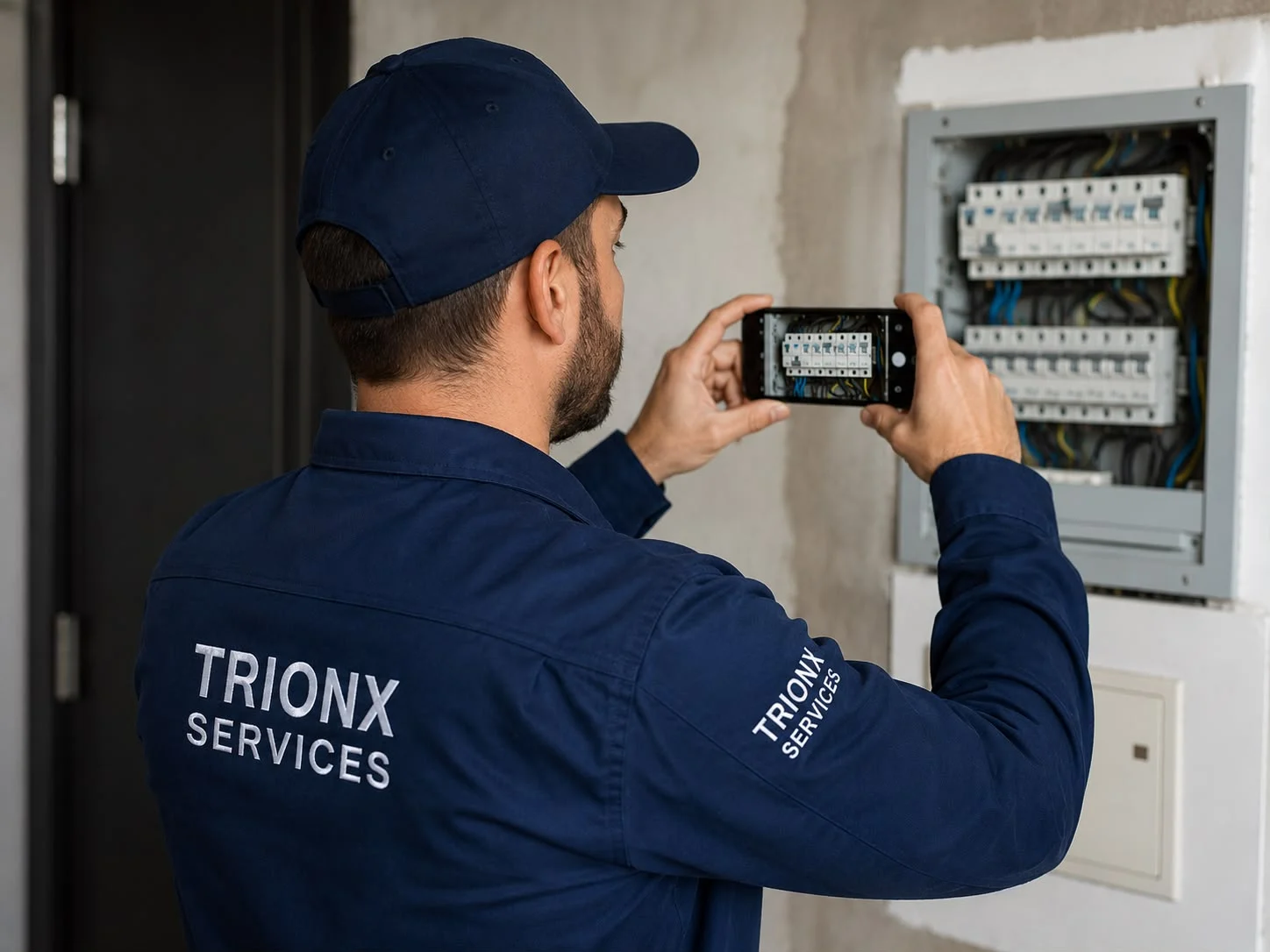
Each visit should leave behind a short record: what was checked, what was found, what was done, what needs doing next and by when, with photographs. We hold the same standard on reactive work, for the same reason, and it is covered in more detail in our note on what a proper closeout report contains.
Review it once a year, against the invoices
A schedule is a hypothesis about what will fail. Once a year, test it. Pull the reactive invoices again and ask which failures the schedule should have caught and did not, and which scheduled tasks have never found anything.
Both answers are useful. The first tells you where to add or tighten an interval. The second tells you where you are spending money on inspection that has earned nothing, and taking those lines out is what keeps the schedule short enough that the rest of it actually gets done.
Scheduled maintenance in Miami
Common questions
Questions we get asked about this
What should a commercial preventive maintenance schedule include?
The assets that cost the most to lose, the interval for each, who performs it, and what the visit must leave behind. A schedule that lists tasks without naming an owner and a record is the kind nobody follows.
How do I build a maintenance schedule people actually follow?
Start from the failures that have already cost money rather than from a manufacturer list, keep the interval realistic, and require a short written record on every visit. Schedules fail from being too ambitious far more often than from being too thin.
What is the difference between preventive and reactive maintenance?
Preventive work is scheduled before failure and priced in advance. Reactive work happens after failure, at whatever the emergency rate is, with the tenant already affected. The gap between the two is the argument for a schedule.
Keep reading
Related field notes
How often a South Florida commercial exterior needs repainting
A code violation on a commercial property: closing it out
A health inspector citation: the maintenance items behind it

An insurance loss control survey found deficiencies
Handyman or licensed contractor: which does this job need?
First week in a new building: what to check before you inherit it
One company, whoever does the work
Our technicians handle the trades that need no state license, and licensed contractors handle the ones that do. Either way we scope it, book the visit and file the record. Tell us the property and the problem and we will come back with a window. Call out of hours and someone who works here answers.