
Facilities
Taking over a restaurant space: what to check before signing
The cheapest changes to a restaurant space are the ones agreed before signing, and the expensive ones are all in the same three places.
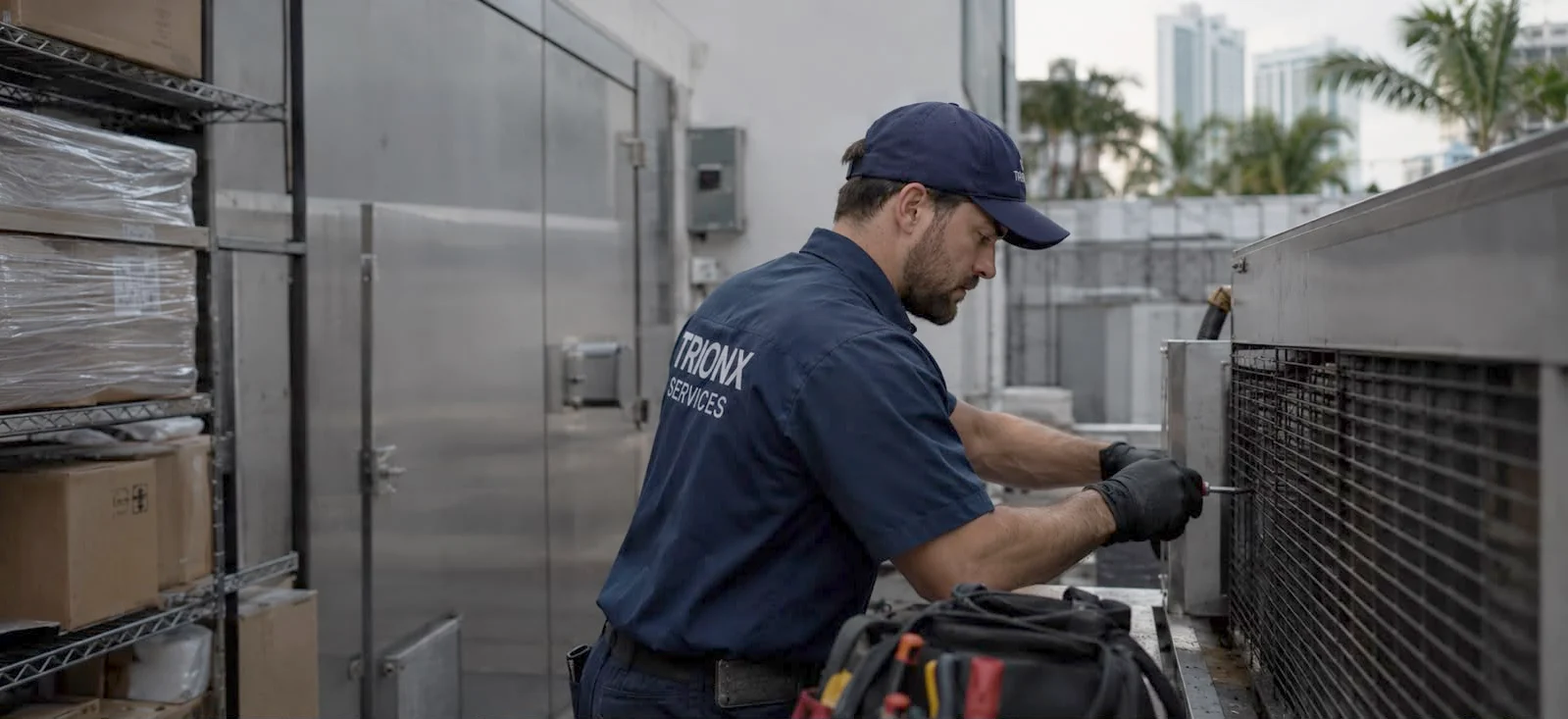
Look at the extract, the electrical capacity and the grease trap before anything else, because those three are where a build-out budget goes wrong and all three are difficult to change once you have signed.
Everything else on this list is worth doing and none of it moves the number the way those do.
The extract and make-up air
Find out what the hood actually is, what it serves, and whether make-up air was ever provided properly. A kitchen extracting hard with no make-up air runs the whole premises under negative pressure, which pulls hot humid air in through every door and gap, makes the dining room uncomfortable and stops doors closing.
It is also expensive to correct afterward and it is invisible during a viewing on a quiet afternoon. Our article on why your kitchen is too hot covers what the symptom looks like once you are in.
Ask what the previous operator cooked. A hood specified for one style of cooking is not automatically right for another, and a change of menu can be a change of ventilation.
Electrical capacity
Ask what supply the premises has and what is already committed. A space that ran as a cafe will not necessarily carry a kitchen, and upgrading a supply is one of the slowest and most expensive things you can discover after signing.
Look at the distribution panel and photograph it. Count what is spare. Ask whether anything was ever added without a permit, which is common in kitchens and is a liability that transfers with the space.
All of that work is licensed in Florida at any job size, so the assessment belongs to a licensed electrical contractor rather than to a walk-through, and it is worth paying for one before signing rather than after.
The grease trap
Ask for the service manifests rather than a verbal assurance. They tell you the interval, whether it was maintained and by whom.
Then ask whether the trap is sized for what you intend to do rather than what the last operator did. A trap adequate for a sandwich shop is not adequate for a fryer-led menu, and undersizing shows up as recurring drainage problems and citations. Our article on grease traps in a Miami kitchen covers the requirements.
Refrigeration and what is actually included
Walk the walk-in with the door closed behind you and look for daylight around the seal. Check the floor, the panels and whether it is holding temperature now. Get the age off the nameplate. Our article on signs a walk-in is about to fail covers what to look for.
Then establish ownership item by item, in writing. Restaurant spaces routinely hold a mixture of landlord fixtures, previous tenant property and leased equipment, and leased items are the ones that get collected the week after you take over. Ice machines, coffee equipment and some refrigeration are the usual ones.
Drainage, plumbing and the history
Ask what has gone wrong before. A space with a history of drains backing up has a cause that has not been fixed, and it becomes yours. Look at the floor drains, the condition of the covers and whether the floor actually falls toward them.
Check the hot water capacity against what you will need rather than what is there.
The building, quickly
Exits, doors and panic hardware, because those are what an inspection finds first and they are cheap to correct before you are trading. Glass and the frontage. Ceiling for stains, which tell you about water above. Floor tile, which is a trip claim and a citation at once.
Ask directly about unpermitted work and ask for closeout paperwork on anything recent. It transfers with the space and it surfaces at the worst possible time.
What to agree before signing
Everything found above, as a written schedule of what the landlord corrects, what you correct, and by when. The leverage exists before signature and it does not exist afterward, which is the entire reason to do this in that order.
Once you have the keys, our article on the first week in a new building covers establishing a baseline for everything you did inherit.
Who carries this out
Doors and hardware, exit devices, locks and rekeying, glass, carpentry, tile, painting, ceiling and general making good are performed directly by our own technicians, which covers most of a pre-opening punch list.
Electrical, plumbing, HVAC, refrigeration and anything requiring a permit are carried out by licensed, insured contractors, coordinated and documented by us, because Florida requires a license for those at any job size.
Common questions
Questions we get asked about this
What is the most expensive thing to get wrong?
The extract and make-up air, followed by electrical capacity. Both are difficult and costly to change after the fact, both are easy to overlook during a viewing, and both are what turn a build-out budget into a different number.
Is the equipment included?
Establish it in writing, item by item, before signing. Restaurant spaces routinely contain a mixture of landlord fixtures, previous tenant property and leased equipment, and the leased items are the ones that surprise people after the keys change hands.
How do I check the grease trap?
Ask for the service manifests, not a verbal assurance. They show the interval and whether it was maintained. Then check the trap is sized for the volume you plan to do rather than the volume the last operator did.
What about work the previous tenant did?
Ask directly whether it was permitted and closed out, and ask for the paperwork. Unpermitted work becomes your problem at a sale, a refinance, a change of use or an inspection, and it is far cheaper to identify now than under a deadline.
Keep reading
Related field notes
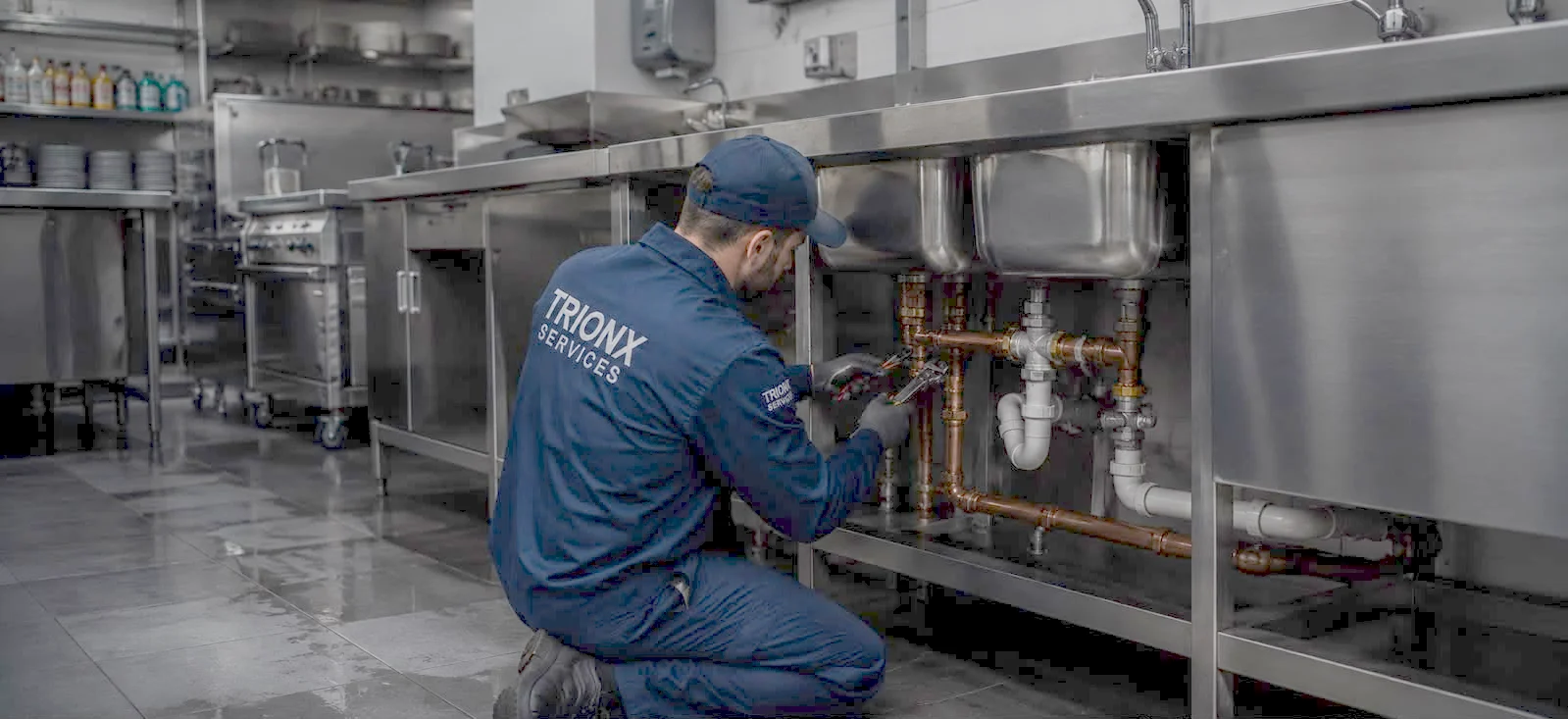
Grease traps in a Miami commercial kitchen: what fails and why

Seven signs a walk-in cooler is about to fail
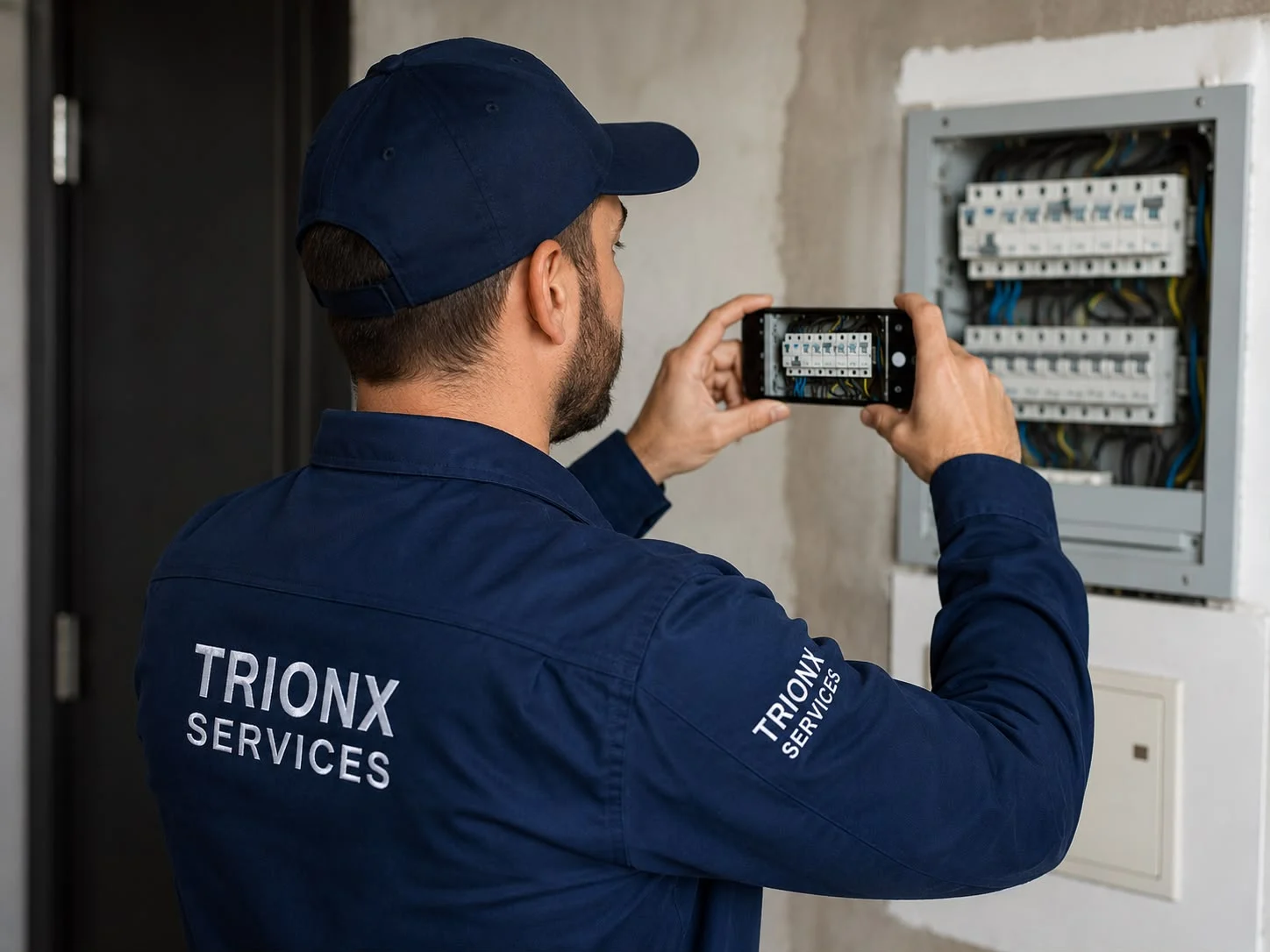
First week in a new building: what to check before you inherit it
Reopening a space that has been closed for months

A vacant unit: what to check while it sits empty
Our maintenance vendor has stopped showing up
One company, whoever does the work
Our technicians handle the trades that need no state license, and licensed contractors handle the ones that do. Either way we scope it, book the visit and file the record. Tell us the property and the problem and we will come back with a window. Call out of hours and someone who works here answers.